The numbers are staggering. According to the World Travel & Tourism Council (WTTC), the sector's contribution to the Middle Eastern economy is projected to exceed $460 billion in the coming years, employing millions of people. But beyond the balance sheets, the rise of tourism is fundamentally altering how the world sees the Middle East—and how the region sees itself.
The Gulf: A New Mecca for Leisure and Business
Nowhere is this transformation more evident than in the Gulf Cooperation Council (GCC) states. Faced with the eventual end of the oil era, countries like the United Arab Emirates, Saudi Arabia, and Qatar have placed a massive bet on tourism.
The UAE, particularly Dubai, pioneered the model: build world-class infrastructure, create unparalleled luxury, and the visitors will come. It worked. Dubai International Airport (DXB) consistently ranks as the busiest in the world for international travel. Its hotels, from the iconic Burj Al Arab to sprawling desert resorts, have set global standards for opulence.
However, the landscape is shifting. Saudi Arabia's Vision 2030, spearheaded by Crown Prince Mohammed bin Salman, aims to open the Kingdom to the world. With projects like the Red Sea coast development, the futuristic city of NEOM, and a massive push for religious tourism (Umrah and Hajj), Saudi Arabia is poised to become the region's new tourism heavyweight. This has spurred a hospitality arms race, with global hotel chains like Marriott, Hilton, and Accor signing deals to operate thousands of new rooms across the Kingdom.
The Cultural and Historical Heart
While the Gulf focuses on the future, the Levant and Egypt trade on the past. For countries like Jordan, Egypt, and Lebanon, tourism is not just an economic driver; it is a pillar of national identity.
Egypt's ancient wonders—the Pyramids of Giza, the temples of Luxor—remain timeless draws. However, the industry here is deeply vulnerable. Political instability and security concerns can cause tourist numbers to plummet overnight. The Egyptian economy felt this acutely after the 2011 Arab Spring uprisings. The recovery has been slow, but recent government initiatives to develop new tourist hubs like El Alamein and the Grand Egyptian Museum show a commitment to revitalizing the sector.
Jordan offers a different model: niche tourism. The country markets itself as a haven of stability in a turbulent neighborhood, drawing visitors to Petra, Wadi Rum, and the Dead Sea. The Jordanian hospitality sector relies heavily on high-end, experiential travel, with boutique lodges and eco-lodges complementing traditional hotels.
The Socio-Economic Impact: A Double-Edged Sword
The influx of tourists and the construction of hotels have undeniable positive impacts. They create jobs—from construction workers to hotel managers, tour guides to taxi drivers. They foster the growth of small and medium-sized enterprises (SMEs) and encourage investment in infrastructure, from airports to roads to internet connectivity.
For many young people in the region, tourism offers a career path that did not exist for their parents' generation. Hospitality schools are flourishing, and the service sector is becoming a point of pride.
However, the rapid growth is not without its critics. In some areas, concerns about cultural erosion are mounting. The influx of Western tourists and expatriate workers in Gulf cities has created a cultural blend that sometimes clashes with conservative local traditions. There is also the issue of economic disparity; while luxury hotels thrive, the wages for low-level service staff often remain low, with many workers coming from South Asia under stringent labor laws.
Furthermore, the environmental cost is significant. Building artificial islands, operating water-intensive golf courses in the desert, and managing the carbon footprint of millions of flights pose long-term sustainability challenges.
A Fragile Industry in a Volatile Region
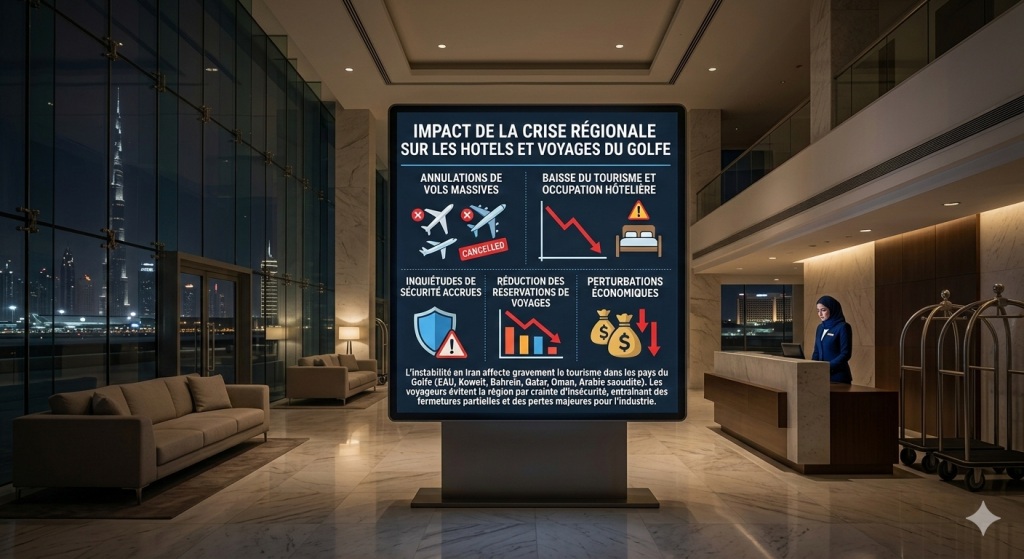
The greatest challenge for the Middle East's travel sector remains its fragility. The region is a tinderbox of geopolitical tensions. As seen in the recent conflict involving Israel and Gaza, or the instability in Lebanon, tourism is the first industry to suffer when violence flares.
Hotels empty out, airlines cancel flights, and the image of the entire region—often unfairly—becomes associated with danger. This "negative perception tax" means that Middle Eastern destinations must work twice as hard to convince travelers they are safe.
The Future: Diversification and Sustainability
Looking ahead, the trajectory of Middle Eastern tourism points toward further diversification. We are seeing a rise in:
Medical Tourism: The Gulf is investing heavily in world-class healthcare facilities to attract patients.
Sports Tourism: Qatar's hosting of the 2022 World Cup set a precedent; Saudi Arabia now regularly hosts world heavyweight boxing and Formula 1 races.
Cruise Tourism: The Red Sea is emerging as a major new cruise destination.
Sustainable Travel: In response to environmental criticism, there is a growing push for eco-resorts and "green" initiatives, particularly in Saudi Arabia's Red Sea project and Oman's mountain retreats.
Ultimately, the story of travel and hotels in the Middle East is a story of reinvention. It is a region determined to show the world that it has more to offer than headlines about conflict. As the skyline of Riyadh rises and the deserts of AlUla open to hikers, the Middle East is not just welcoming tourists—it is inviting the world to witness its new chapter.