In Tehran, grocery stores are fully stocked and children are still in school, but for many Iranians, the mind is anywhere but the present. With the United States massing naval assets in the region and President Donald Trump threatening strikes if a nuclear deal is not reached, the country is gripped by a pervasive sense of dread .
“Everything feels very surreal, like being in limbo,” said Payman, a 45-year-old businessman in Tehran who, like others, spoke to The New York Times on the condition of anonymity for fear of retaliation . “I’m not even actively preparing for survival in an emergency. I just want it to be over.”
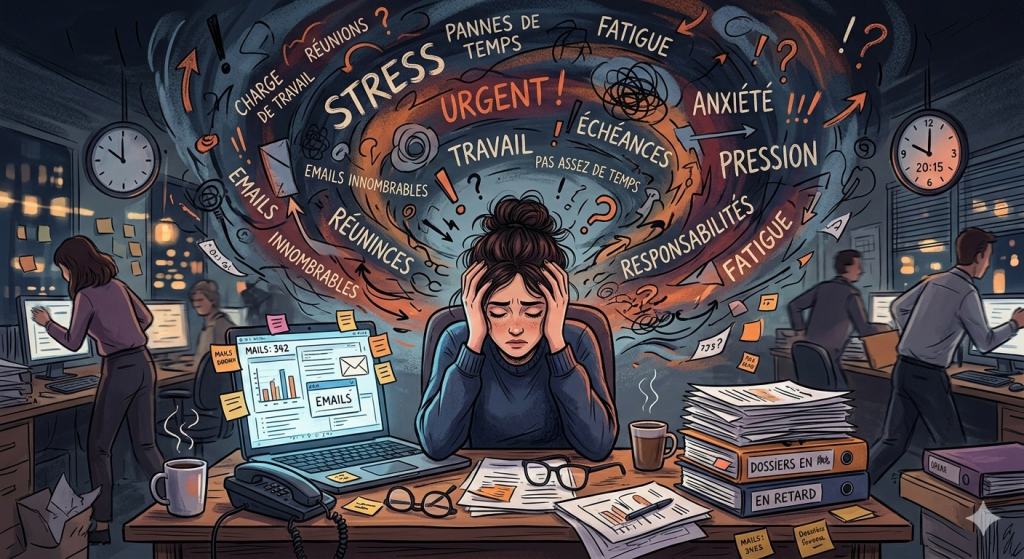
This feeling of paralysis is a common symptom of what psychologists on the ground describe as a collective mental health crisis. It is a crisis layered atop the recent trauma of violent anti-government protests and the memories of last June’s 12-day war with Israel .
A Population on Edge
The psychological toll is visible in the smallest moments of daily life. Teachers report that students tremble at the sound of ambulance sirens or airplanes. Parents panic when their teenagers leave the house, haunted by the memory of classmates killed during recent civil unrest .
“The truth is that we are feeling extremely not well,” said Mariam, a 54-year-old designer in Tehran. “I have never experienced this kind of collective grief and instability. We don’t know what will happen in the next hour” .
Dr. Bita Bavadi, a psychologist in Tehran, notes a sharp change in the emotional atmosphere of her patients. “In my clinical work, I observe an intense mixture of anger, fear, helplessness, and unprocessed collective grief,” she said in an email to The New York Times .
This anxiety is compounded by an economic crisis that has made basic preparations for war a luxury. Inflation has soared, and the Iranian rial has hit record lows. For many families, the idea of stockpiling two weeks’ worth of supplies—as suggested by activists online—is a financial impossibility .
“It’s not even possible to make preparations and plan for things,” said Sahand, a Tehran resident. “Families don’t have the money to go stock up on food and medicine. All they think about is where to go and hide” .
The Psychological Warfare of Uncertainty
Iranian officials acknowledge the psychological dimension of the current standoff but view it as an external weapon. The Judiciary Chief, Gholamhossein Mohseni Ejei, recently accused the enemy of resorting to a "war of nerves" and "rumormongering" to destabilize the country . Similarly, a senior IRGC commander described the West's strategy as one of "cognitive warfare," aimed at disrupting "societal calm" and "undermining psychological security" .
Whether viewed as a foreign tactic or a genuine response to threat, the uncertainty is debilitating. Many Iranians are glued to news coverage, constantly debating with friends and family whether war will come. They watch as their own government offers little in the way of concrete emergency planning. Tehran’s mayor has suggested using metro stations as shelters, but experts warn these locations lack the necessary ventilation and hygiene facilities .
This lack of official guidance forces citizens to rely on social media for survival tips—from buying high-end VPNs to bypass expected internet blackouts to packing emergency bags with canned goods and power banks . The memory of last June’s exodus from Tehran, where a four-hour drive to the Caspian Sea turned into a day-long nightmare, looms large .
Fractured Hopes: Between Fear of Bombs and Fear of the Status Quo
Perhaps the most complex layer of stress in Iran today is the moral and emotional conflict over the war itself. While many fear the destruction a strike would bring, a significant number express a fatalistic view that conflict is unavoidable—or even desirable if it means toppling the current regime .
In the aftermath of a crackdown on protesters that rights groups say killed thousands, anger toward the government runs deep. This has created a tragic calculus for some citizens weighing the cost of war against the cost of the status quo .
“Many of us are certainly worried about war,” one user from Iran wrote on social media, “but we are more terrified of continuing to live alongside these killers who have no limits” . Another user added, “No war means the Islamic Republic stays. The choice is yours” .
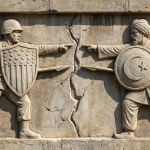
This sentiment is captured in a metaphor used by Sahar, a 38-year-old Tehran resident, who described the standoff between the U.S. and the Iranian leadership as “two men arguing over a house” who “in the end they burn it down while we’re still inside” .
Others, like Elaheh, a 52-year-old from Tehran, oppose foreign intervention entirely, fearing it would lead to more death and destruction without bringing democracy . “We have enough problems,” she said. “We cannot endure a war that may destroy our infrastructure, divide our country and kill even more people” .
As negotiators meet in Geneva, the population remains trapped in this emotional paradox: hoping for peace to avoid destruction, yet for some, hoping for destruction to achieve peace. Until a resolution is found, millions of Iranians will continue to live in a state of prolonged stress—unable to plan for the future, and struggling to survive the present.